overview
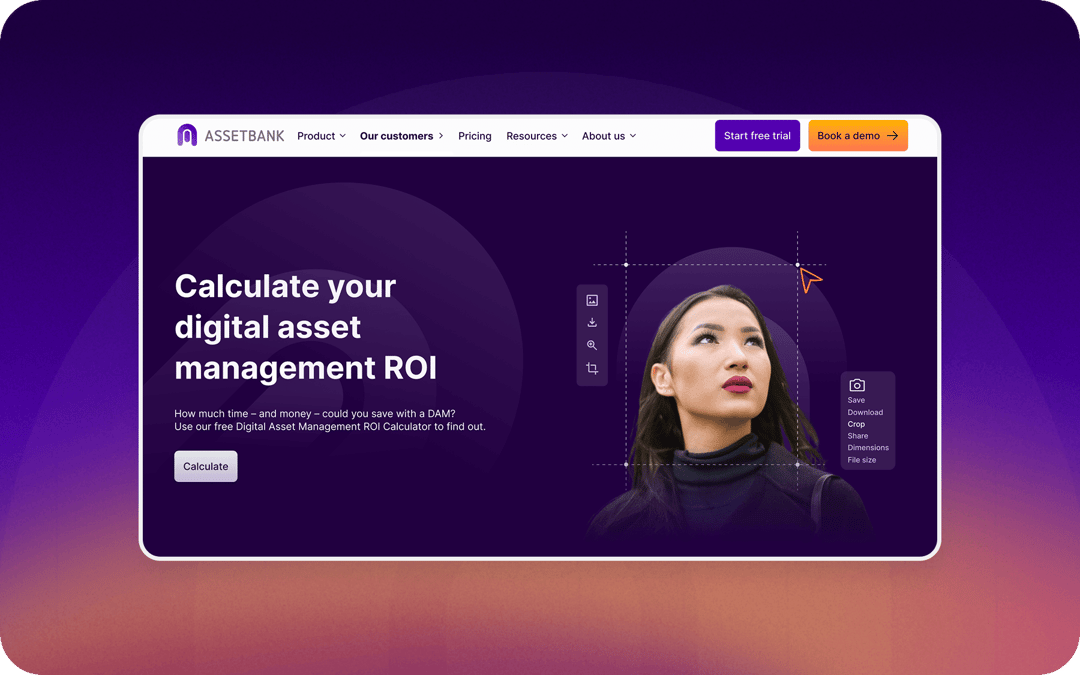
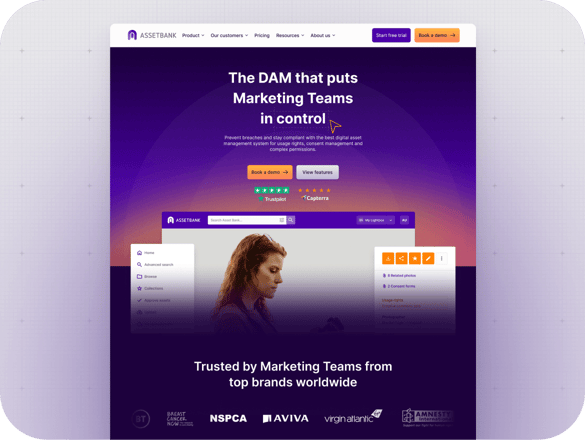
Betta Webs rebuilt Asset Bank's website on HubSpot CMS around the compliance risk their buyers didn't know they were carrying. Asset Bank has sold digital asset management (DAM) software for around twenty years. Around 70% of its buyers have never used a DAM, so a feature-led site was answering a question they hadn't asked.
In the three months after launch, the main enquiry page went from converting 13.25% of its visitors to 23.83%. Enquiries from that page rose from 20 to 46, and traffic to it grew 28%. Every figure here is measured in Asset Bank's HubSpot portal, against the three months before launch.
how we work
Asset Bank's old site led with exactly what twenty years of development had produced: feature depth and configurability.
The problem was who was actually arriving. Around 70% of Asset Bank's buyers had never used a DAM at all. They weren't weighing it against Bynder or Canto, they were weighing it against Google Drive and SharePoint, and they hadn't yet decided the category was worth paying for. Feature depth is a reason to choose Asset Bank over a rival. It is not a reason to stop using a shared drive.
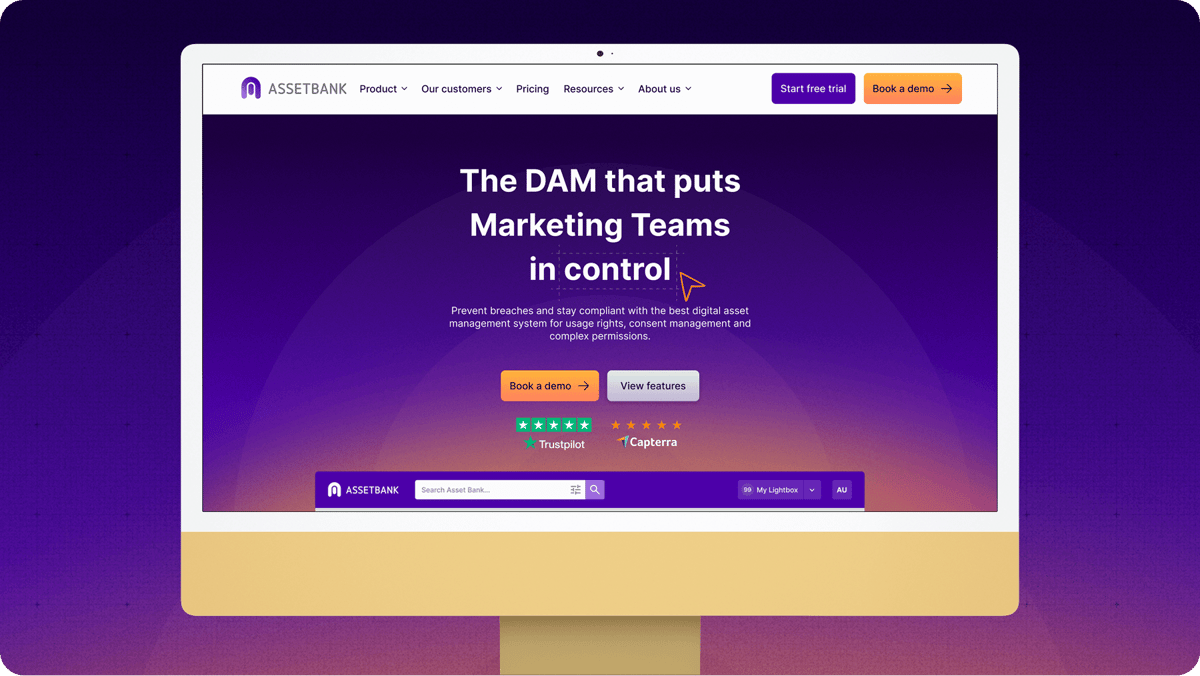
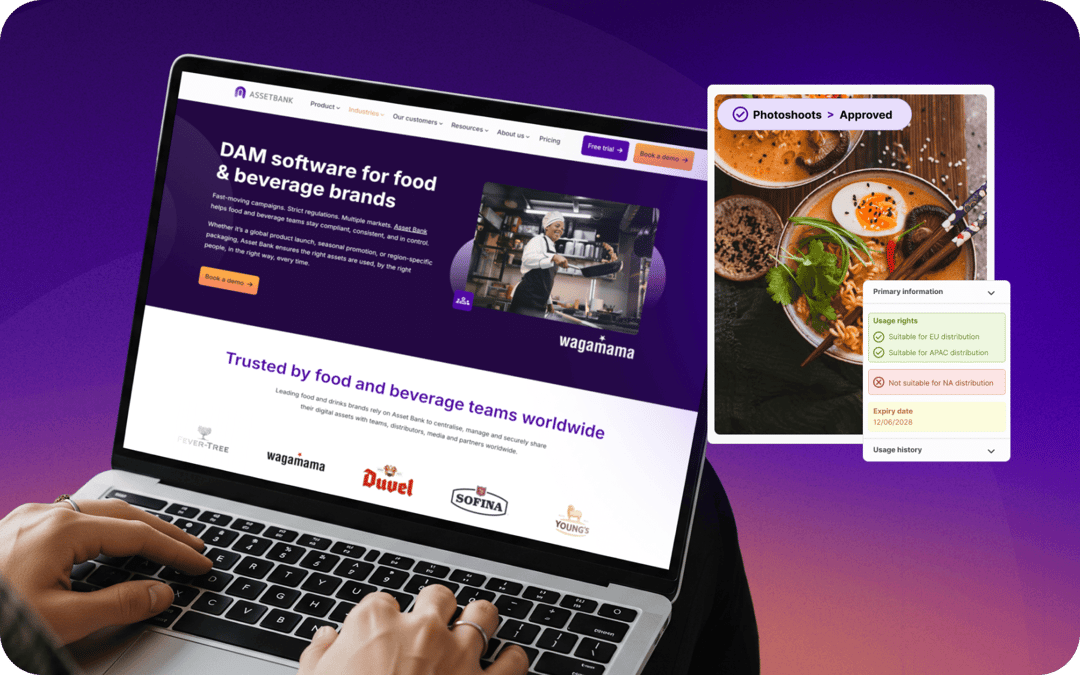
So we rebuilt the site around the risk. Asset Bank ties licensing, consent and usage rights to every asset, which matters to a marketing team that has never thought about copyright exposure until an invoice lands.
Seven sector-specific guides cover education, not-for-profit and food and beverage. They drew over 5,000 views between them, an average of around 800 each, and the HubSpot SEO work behind them is what earns those sessions.
What those guides don't yet do is carry the reader onward. They run bounce rates between 96% and 100%, and they generated no enquiries directly. The traffic is landing and the next step off the page is still to build.
6Sense's 2025 B2B Buyer Experience Report, a study of 4,000 B2B buyers, found 80% have already decided who they want before they make contact. Asset Bank's own discovery said the same thing in miniature: of their four buyer profiles, two need evidence they can reach without talking to anyone. The marketing director wants case studies, measurable outcomes and pricing before she'll book a demo. The IT architect, brought in late to sign off security and compliance, wants factual documentation and explicitly does not want to fill in a form to get it.
So we ungated the proof. Pricing is published on the site. The customer list and case studies got their own routes, all without asking anyone for an email address first.
Conversion on the main enquiry page went from 13.25% before launch to 23.83% after. That is a rise of 10.6 percentage points, or 79% in relative terms.
Traffic to that page grew 28% over the same period. Had the conversion rate stayed where it was, those extra visits would have produced about 26 enquiries. So just under four fifths of the increase came from the page converting better, not from more people arriving.
Separating those two is the calculation a finance team asks for, and it's the one most redesigns can't produce afterwards. We build for it deliberately.
Across the site in the same window, 179 people booked a demo and 45 requested a free trial. 36 deals were created from contacts whose original source is the website. HubSpot sets original source when a contact is first created, so some of those contacts predate the rebuild.
Organic search brought 3,965 sessions, and the compliance guides are what earn them: sector-specific questions with sector-specific answers.
AI assistants started finding the site too. AI referral sessions grew month on month from 28 in June to 43 in August. Asset Bank's AEO and AI search visibility is tracked separately and is still too early to publish.